In recent years, millets have been making a strong comeback on our plates, and for good reason. These tiny grains, often overlooked in favor of rice or wheat, are nutritional powerhouses with a rich history and promising future.
What Are Millets?
Millets are small-seeded grains that belong to the grass family. They have been cultivated for thousands of years in India, Africa, and other parts of Asia. Unlike refined grains, millets are naturally gluten-free and packed with nutrients, making them an excellent choice for a healthy diet.
Common types of millets include:
Finger Millet (Ragi): Rich in calcium and ideal for bone health.
Pearl Millet (Bajra): High in protein and fiber, good for heart health.
Foxtail Millet (Kangni): Low in glycemic index, suitable for diabetics.
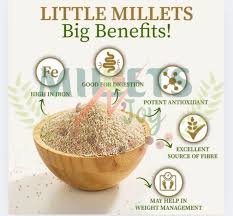
Little Millet (Kutki): Light and easy to digest, perfect for weight management.
Barnyard Millet: Great for detox diets and gluten-free recipes.
Health Benefits of Millets
Millets are not just ancient grains—they are modern-day superfoods. Here’s why you should include them in your diet:
Rich in Nutrients: Millets contain protein, fiber, vitamins, and minerals like iron, magnesium, and calcium.
Gluten-Free: A safe alternative for people with celiac disease or gluten intolerance.
Good for Digestion: High fiber content aids digestion and keeps you feeling full longer.
Heart Health: Regular consumption helps in controlling cholesterol and blood pressure.
Diabetes-Friendly: Slow-digesting carbs in millets help regulate blood sugar levels.
Weight Management: Low-calorie and nutrient-dense, millets support healthy weight loss.
Why Millets Are the Future of Food
As global awareness about healthy eating and sustainable agriculture grows, millets are emerging as a preferred choice. They require less water and are drought-resistant, making them environmentally friendly crops. Incorporating millets into daily meals not only benefits your health but also supports sustainable farming practices.
How to Include Millets in Your Diet
Millets are versatile and can replace rice or wheat in most dishes. Some ideas:
Breakfast: Millet porridge or upma.
Lunch/Dinner: Millet khichdi, pilaf, or chapati.
Snacks: Millet cookies, crackers, or energy bars.
Beverages: Ragi malt or millet smoothies.
Final Thoughts
Millets may be small, but their impact on health and the environment is huge. By embracing these ancient grains, we can enjoy a nutritious, gluten-free, and sustainable diet. Whether it’s ragi, bajra, foxtail, or little millet, adding these grains to your daily meals can transform the way you eat and live.