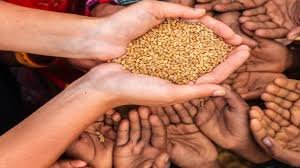
For thousands of years, millets were the backbone of traditional diets across India and many parts of the world. Over time, they were pushed aside by polished rice and refined wheat. Today, as lifestyle diseases rise and climate challenges grow, millets are quietly returning—not as a trend, but as a necessity.
This article explores millets from a future-focused perspective, beyond health and recipes.
The Decline of Millets: What Went Wrong?
The Green Revolution brought high-yield crops like rice and wheat into focus. While production increased, it also led to:
-
Loss of traditional millet varieties
-
Reduced dietary diversity
-
Increased dependence on chemical farming
Millets were labelled as “poor man’s food” and slowly disappeared from urban kitchens.
Millets and Food Security
Millets can play a crucial role in feeding growing populations.
Why millets matter for food security:
-
Grow fast with minimal resources
-
Can be stored for long periods
-
Resistant to pests and climate stress
In uncertain climate conditions, millets offer reliable food production where other crops fail.
Millets in Modern Lifestyles
Millets are no longer limited to rural households.
Today they are being used in:
-
Ready-to-eat foods
-
Millet-based noodles and pasta
-
Bakery items like cookies and bread
-
Breakfast cereals and energy bars
This transformation is making millets attractive to younger and urban consumers.
Reviving Traditional Wisdom
Each region of India had its own millet culture:
-
Ragi in the south
-
Bajra in the west and north
-
Jowar in central India
-
Little and foxtail millets in tribal regions
Reviving millets means preserving culinary heritage, traditional farming knowledge, and indigenous seeds.
Economic Opportunities Around Millets
The growing demand for healthy and sustainable foods has created new opportunities:
-
Millet-based startups
-
Value-added products for export
-
Farmer-producer organizations (FPOs)
-
Women-led self-help groups
Millets are becoming a source of income, not just nutrition.
Millets as a Climate Solution
Millets emit fewer greenhouse gases, require less water, and support biodiversity. Including them in food systems can:
-
Reduce pressure on water resources
-
Lower carbon footprint of diets
-
Promote regenerative agriculture
In short, millets align perfectly with climate-smart food systems.
The Way Forward
To truly bring millets back:
-
Consumers must choose millets regularly
-
Schools and public food programs should include millets
-
Farmers should be supported with fair pricing
-
Awareness must go beyond “health food” labels
Conclusion
Millets are not just ancient grains from the past—they are smart foods for the future. By reintroducing millets into our farms, markets, and meals, we take a step toward healthier people, resilient agriculture, and a sustainable planet.