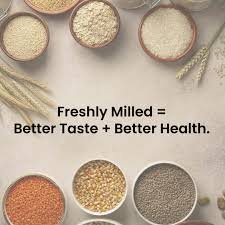
As people become more health-conscious, there is a growing search for foods that are nutritious, natural, and sustainable. Millets perfectly fit this need. These ancient grains, once a staple in Indian households, are now being rediscovered for their exceptional health benefits and environmental value.
Table of Contents
ToggleRich in Essential Nutrients
Millets are a powerhouse of nutrition. They contain high levels of dietary fiber, protein, iron, calcium, and essential vitamins. Unlike refined grains such as white rice or processed wheat, millets retain their natural nutrients, making them more wholesome and filling.
Their high fiber content improves digestion, promotes gut health, and helps maintain a healthy metabolism. Millets provide long-lasting energy and keep you fuller for longer, reducing unnecessary snacking.
Helps Prevent Lifestyle Diseases
One of the biggest advantages of millets is their low glycemic index. This means they release sugar slowly into the bloodstream, preventing sudden spikes in blood glucose levels. This makes millets an excellent choice for people with diabetes.
Regular consumption of millets also helps manage cholesterol levels, supports heart health, and aids in weight control. Being naturally gluten-free, millets are ideal for individuals with gluten sensitivity or digestive issues.
Backed by Traditional Indian Diets
Millets have been consumed in India for thousands of years. Traditional foods like bajra roti, jowar bhakri, and ragi dosa were everyday meals for our ancestors. These dishes provided strength and endurance, especially to people involved in physical labor.
The gradual replacement of millets by rice and wheat led to a decline in their consumption, but their nutritional importance remains unchanged. Bringing millets back into daily meals is a return to traditional wisdom.
Environment-Friendly and Sustainable
Millets are not only good for health but also for the environment. They require very little water, grow well in dry conditions, and do not depend heavily on chemical fertilizers or pesticides. This makes them climate-resilient crops, especially important in times of water scarcity and climate change.
By choosing millets, consumers contribute to sustainable farming practices and help conserve natural resources.
Supporting Farmers and Rural Livelihoods
Increased consumption of millets directly benefits small and marginal farmers, especially in rain-fed regions. Promoting millet farming improves farmer income, strengthens rural economies, and supports food security.
Government initiatives and awareness programs are encouraging both farmers and consumers to adopt millets, helping revive this traditional crop.
Easy to Add to Everyday Meals
Millets are highly versatile and can easily replace rice or wheat in many dishes. They can be used to prepare upma, khichdi, dosa, idli, porridge, salads, and even snacks and desserts. With proper cooking methods, millets are tasty, light, and satisfying.
1. Nutritional Powerhouses
Millets are packed with essential nutrients such as:
-
Dietary fiber
-
Plant-based protein
-
Iron, calcium, and magnesium
-
B-complex vitamins
Each millet variety—ragi, jowar, bajra, foxtail millet, little millet—offers unique health benefits, making them ideal for balanced nutrition.
2. Support Healthy Digestion
The high fiber content in millets:
-
Improves digestion
-
Prevents constipation
-
Keeps the gut healthy
Millets are also easy to digest when soaked and cooked properly, making them suitable for all age groups.
3. Help Control Blood Sugar Levels
Millets have a low glycemic index, which means they release glucose slowly into the bloodstream. This helps:
-
Prevent sugar spikes
-
Improve insulin sensitivity
-
Support diabetes management
They are a smart grain choice for people with diabetes and pre-diabetes.
4. Promote Heart Health
Regular consumption of millets helps:
-
Lower bad cholesterol (LDL)
-
Maintain healthy blood pressure
-
Improve overall heart function
Their magnesium and antioxidant content supports cardiovascular health.
5. Aid in Weight Management
Millets keep you full for longer due to:
-
High fiber
-
Slow digestion
This reduces overeating and unhealthy snacking, making millets excellent for weight loss and weight control.
6. Naturally Gluten-Free
Millets are completely gluten-free, making them a safe alternative for:
-
People with gluten intolerance
-
Individuals with celiac disease
They are a healthy substitute for wheat and refined flour products.
7. Strengthen Bones and Immunity
Millets like ragi are rich in calcium and iron, which:
-
Strengthen bones and teeth
-
Prevent anemia
-
Boost immunity
They are especially beneficial for children, women, and the elderly.
8. Sustainable and Eco-Friendly
Millets require less water, fewer chemicals, and can grow in harsh conditions. By choosing millets, you support:
-
Sustainable farming
-
Environmental protection
-
Farmer livelihoods
Conclusion
Millets are nutritious, versatile, and environmentally friendly. From breakfast to dinner, they can easily fit into your daily meals—whether as rotis, dosas, porridge, or salads. Choosing millets is not just a healthy decision for your body, but also a responsible choice for the planet.