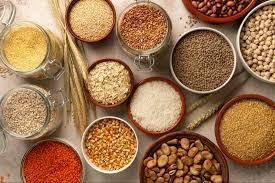
India has a rich tradition of cultivating and consuming millets, which have been a staple food for centuries, especially in arid and semi-arid regions. Millets are small-seeded cereal grains that are highly nutritious, climate-resilient, and sustainable. In recent years, they have gained renewed importance due to growing awareness about healthy diets and sustainable agriculture.
Types of Millets in India
India is one of the largest producers of millets in the world. The major millets grown in India include:
-
Jowar (Sorghum) – widely grown in Maharashtra, Karnataka, and Telangana
-
Bajra (Pearl Millet) – common in Rajasthan, Gujarat, and Haryana
-
Ragi (Finger Millet) – mainly grown in Karnataka, Tamil Nadu, and Odisha
-
Small Millets – such as Foxtail, Kodo, Barnyard, Little, and Proso millets
Nutritional Benefits
Millets are often called “nutri-cereals” because of their exceptional nutritional value. They are rich in:
-
Dietary fiber
-
Protein
-
Iron, calcium, and magnesium
-
B-complex vitamins
They help in managing diabetes, improving digestion, reducing cholesterol, and supporting overall health. Ragi, for example, is an excellent source of calcium, making it beneficial for children and elderly people.
Environmental Importance
Millets require less water, fewer chemical inputs, and can grow in poor soil conditions. They are highly resistant to drought and pests, making them ideal crops for climate-resilient farming. Promoting millets helps conserve water and supports sustainable agriculture in India.
Millets and Indian Culture
Millets have been an integral part of Indian food culture. Traditional foods like bajra roti, jowar bhakri, ragi mudde, and kodo khichdi are still popular in many regions. These dishes reflect India’s diverse culinary heritage and local wisdom.
Government Initiatives
To promote millets, the Government of India has taken several initiatives. The year 2023 was celebrated as the International Year of Millets, highlighting India’s leadership in millet production and promotion. Programs such as the National Food Security Mission support farmers in millet cultivation and encourage consumption.
Conclusion
Millets are not just ancient grains but also the future of healthy and sustainable food systems. By including millets in our daily diet, we support farmers, protect the environment, and improve our health. Reviving millets is a step toward a healthier India and a sustainable world.